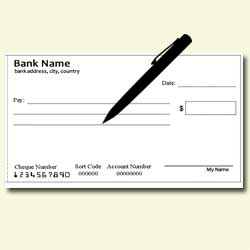
Using cheques requires diligence to prevent fraud and ensure accurate financial record-keeping. Here are six essential best practices you should follow every time you handle your cheque book.
- Prioritize Security and Storage
Your cheque book is a valuable financial asset and must be protected.- Treat your cheque book like cash. Always store it in a secure, locked location where unauthorized individuals cannot access it.
- Never pre-sign blank cheques. A signed, blank cheque is easily misused if lost or stolen. Always wait until the cheque is fully filled out before adding your signature.
- Maintain an Organized System
Good habits ensure your records are always simple to audit and track.- Follow the numbering sequence. Issue cheques strictly according to their pre-printed numbers. This makes it far easier to identify missing transactions or gaps when reviewing your records later.
- Keep a meticulous record. Immediately after writing a cheque, record the amount, date, and payee. It is also a best practice to jot down a brief memo or purpose (e.g., “Monthly Rent” or “Vendor Invoice 456”) to avoid confusion.
- Handle Errors and Reconcile Regularly
Mistakes happen, but how you handle them is crucial for security.- Void cheques properly. If you make any mistake while writing a cheque, do not try to scribble it out. Instead, write a large, clear “VOID” across the payee line, the amount box, and the signature area. Be sure to note the voided cheque in your records immediately.
- Reconcile with bank statements. Regularly check your bank statements against your internal records. Ensure the cheques that have cleared match the amounts, dates, and payees in your system to quickly spot any potential errors or unauthorized transactions.